Frequently Asked Questions
About Onsite Wastewater Treatment Systems
How often should I pump my septic tank, and what else should I do?
Yes, it is very important to have your septic tank pumped to remove floating scum and sludge before they accumulate. If scum or sludge reaches the soil treatment system (cesspool) it can cause expensive and often irreparable damage. Never go more than 36 months between cleanings, and always have it done by a licensed and bonded professional who removes all scum, sludge, and liquid from the tank.
What can I do to make my septic system last longer?
Have proper maintenance performed on the septic tank; avoid overloading it with water (spread laundry and heavy use through the week); do not add anything you would not normally put down the drain or toilet; avoid septic tank additives, which do more harm than good; and never flush sanitary napkins, diapers, paper towels, coffee grounds, or cigarette butts.
How do I know where my septic system is located?
Check county or city permit records first. Otherwise, determine the direction the sewer pipe leaves the basement and probe the soil 10 to 15 feet from the foundation in that direction; a metal detector helps locate a concrete tank's reinforcing rods. For a cesspool, look for areas where the grass grows differently, a slight depression or mound, or soggy soil. A licensed contractor also has tools to locate it - and once found, map the components for next time.
My septic system smells - what is that, and what can I do?
The odor comes from gases produced as waste decays. Common causes and fixes: sewage surfacing in the yard (have the tank pumped and reduce water use, and call a professional if it persists); damaged or missing inspection pipe caps (replace them); and a house vent not high enough to diffuse odor (increase the vent height). Diagnosing the exact cause often requires a professional.
The grass is greener over my septic system - is that bad?
Not necessarily. The grass is greener over the soil treatment area because the roots consume the water and nitrogen in the wastewater; if the ground is not wet, that is a natural process. But if the surface is WET, it poses a health hazard - fence off the area and call a professional to diagnose the cause.
The ground is wet over my septic system - is that bad?
Yes. Wet ground means wastewater is surfacing (ponding), which poses a health risk to people and animals. Fence off the area to keep everyone away from the sewage and call a professional, as diagnosing the specific cause can be difficult.
Our toilets do not flush well - is something wrong with the system?
It can be caused by several things: excess water usage (reduce use and see if it returns to normal); improper plumbing slope or a hump in the line; a blockage where grease or improper items hang up on pipe joints; frozen lines; pump failure (check the pump and floats, replace with the same type and model); or roots clogging the pipes (have the line rooter-serviced and checked for cracks or broken joints).
What is a site evaluation and why is it needed?
A licensed ISTS Evaluator/Designer conducts soil borings in the proposed soil-treatment area, within the setback boundaries set by regulations, to protect the groundwater, your well, and nearby lakes.
How much does a septic system cost?
Installation of an individual on-site septic system typically ranges from about $3,000 to more than $10,000, depending on the size of the home, the site conditions, and local ordinance requirements.
How long can I expect my system to last?
A properly installed and maintained system should perform for 15 to 40 or more years. Without proper maintenance - or with repeated water use in excess of the designed flow - the life of the system will be shorter.
What types of systems are there, and how do I know which to use?
There are four basic kinds of septic systems: cesspools (concrete with drainage holes, open to the sand below); trenches (drainpipe laid in rock, gravel-less pipe, and chambers); pressure beds (small perforated pipes in rock that spray wastewater under pressure across the bed); and mounds (a constructed sand hill with a pressure bed inside, covered with soil). An ISTS Designer determines the right type from the site evaluation done before designing your system.
Can I plant a garden or trees over my system?
No. Gardens require constant tilling and add unnecessary water, and wastewater carries pathogens that are harmful. Tree roots tend to block the flow of water through the soil pores and clog the system.
How does a septic system work?
House plumbing funnels wastewater to the septic tank, where solids separate from liquids and natural bacteria break down the organic solids. Remaining solids are stored until the tank is pumped (every one to three years). Septic tanks do not destroy disease-causing pathogens; they prepare the liquid for final treatment by the soil, which is distributed through a cesspool, mound, or drip system. A layer called biomat forms where sewage meets soil and destroys harmful pathogens. If the tank is not pumped often enough, solids clog the biomat, liquids cannot pass, and the system fails - surfacing or backing up into the home.
Do I need to cut the grass over my septic system?
No, but mowing increases evaporation of the wastewater, which helps the filtration process of the nitrogen present.
Will my system contaminate my well or the lake?
No. A properly designed, constructed, and maintained septic system will not contaminate the groundwater (your wells) or the lake - it is designed to protect them.
About Us
Family Owned and Operated | Serving Suffolk County Since 1991 | Senior & Vet Discounts
Major Credit Cards Accepted | We Accept Personal and Business Checks
Please Print Our COUPON SECTION for Discounts!
Lic # 108 W - 21302HI DEC # 1A777
Cesspools & Septic Tank Services:
Pumped, Drained, Cleaned & Installed
Aerated and Chemically Treated
Cesspools Electronically Located
Plumbing, Drain & Sewer Cleaning
Dry Wells Installed, Treated and Repaired
Broken Lines Repaired
Cesspool Cave-ins Repaired
Hydrojetting /Water Jetting
(What is Hydrojetting - along with chemical (sulfuric acid)
This service is the best service available, the process is done by using water to restore drainage. water is pumped through a plastic pipe into the sand at the bottom of the cesspool to (FLIP THE SLIME) out of the sand so the chemical (sulfuric acid) can dissolve it quickly and most efficiently. DURING THIS PROCESS the water-level in the cesspool will start to drop instantly, allowing for usage to resume like normal.)
Reasons Your Cesspool or Drain Line is in Need of Service:
Toilet Overflows
Slow Drainage
Smell or Odor Either Inside or Outside of the Home
Wet Surface on Lawn Where Cesspool is Located
Water Over Flows When Using Washer
Gurgling in Tub Lines and or Sink Lines
We Specialize in Cesspool Certifications!
(With or Without DYE TESTS) And Send the Test Results Directly to the Bank WITHIN 15 MINUTES OF INSPECTION !!!
Ask About Our Unique Drainage Restoration Services That are Guaranteed in Writing!
WE NOW OFFER VIDEO CAMERA INSPECTIONS OF PLUMBING LINES!
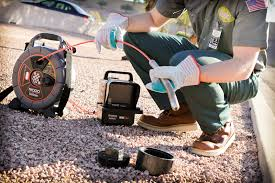
See with your own eyes about why your sewer or septic line is backing up. Do not just accept hearing that (your line is broken or has roots in it and has to be replaced). We have seen this time and time again and the issue is not necessarily the truth, But a guess.This is why you need to see the issue with your own eyes and why we offer a complete video inspection with a foot counter measurement (so you know where the issue is). There will be the least invasion of your property to rectify the issue, if needed at all. Then we can discuss the different approaches and or processes and costs associated with solving the issue. When video inspection is complete, You will also receive a USB card with video of inspection for other evaluation's from professionals. So you will not be trapped into them saying, Lets try again, and maybe we can clear the problem. More money wasted !!! and if you decide to have us address the problem, We will offer you a discount on the pipeline video inspection. Either way, Be informed and educated! Rather than just having another company taking a shot at it.
Call Us Today and get it right the first time.
Complete List of Our Drain Cleaning, Cesspool & Sewer & Septic Tank Services
Hydrojetting /Water Jetting
Get in touch
Call For Free Estimates
(631) 925-2297
Text To (516) 319-2057
We provide professional drain cleaning for clogged drains throughout Suffolk County, NY, restoring proper flow and preventing backups
Mt. Sinai, NY / Manorville, NY
7 Montauk Highway - Quogue, NY
531 Renee Drive - Bayport, NY

Amagansett, Aquebogue, Babylon, Bayport, Bay Shore, Blue Point, Bohemia, Brentwood, Brookhaven, Bridgehampton, Centereach, Commack, Cutchogue, Deer Park, East Hampton, East Moriches, East Quogue, Eastport, Greenlawn, Greenport, Hamptons, Hauppauge, Holbrook, Holtsville, Huntington, Huntington Station, Islip, Jamesport, Kings Park, Lake Grove, Lake Ronkonkoma, Manorville, Mastic, Mastic Beach, Mattituck, Medford, Middle Island, Montauk, Moriches, Mount Sinai, Nesconset, Oakdale, Patchogue, Peconic, Port Jefferson Station,
Port Jefferson, Quogue, Ridge, Riverhead, Rocky Point, Ronkonkoma, Sag Harbor, Saint James, Sayville, Selden, Setauket, Shirley, Shoreham, Smithtown, Sound Beach, Southampton, Stony Brook, Wading River, Water Mill, Westhampton, Westhampton Beach, Wyandanch, Yaphank